The African Safari Guide
A Bush Experience is unlike any other travel experience on earth. It is a sensory awakening—the scent of rain-soaked earth, the distant roar of a lion at dusk, and a sky choked with more stars than you ever thought possible. However, the raw magic of the bush demands flawless planning.
This definitive guide breaks down everything you need to curate an extraordinary, seamless, and deeply personal African adventure.
RMW Luxury’s Guide to the Bush
-
Every safari destination has its own unique topography, wildlife concentrations, and rhythm. Understanding these regional differences is essential to tailoring your ultimate bush experience:
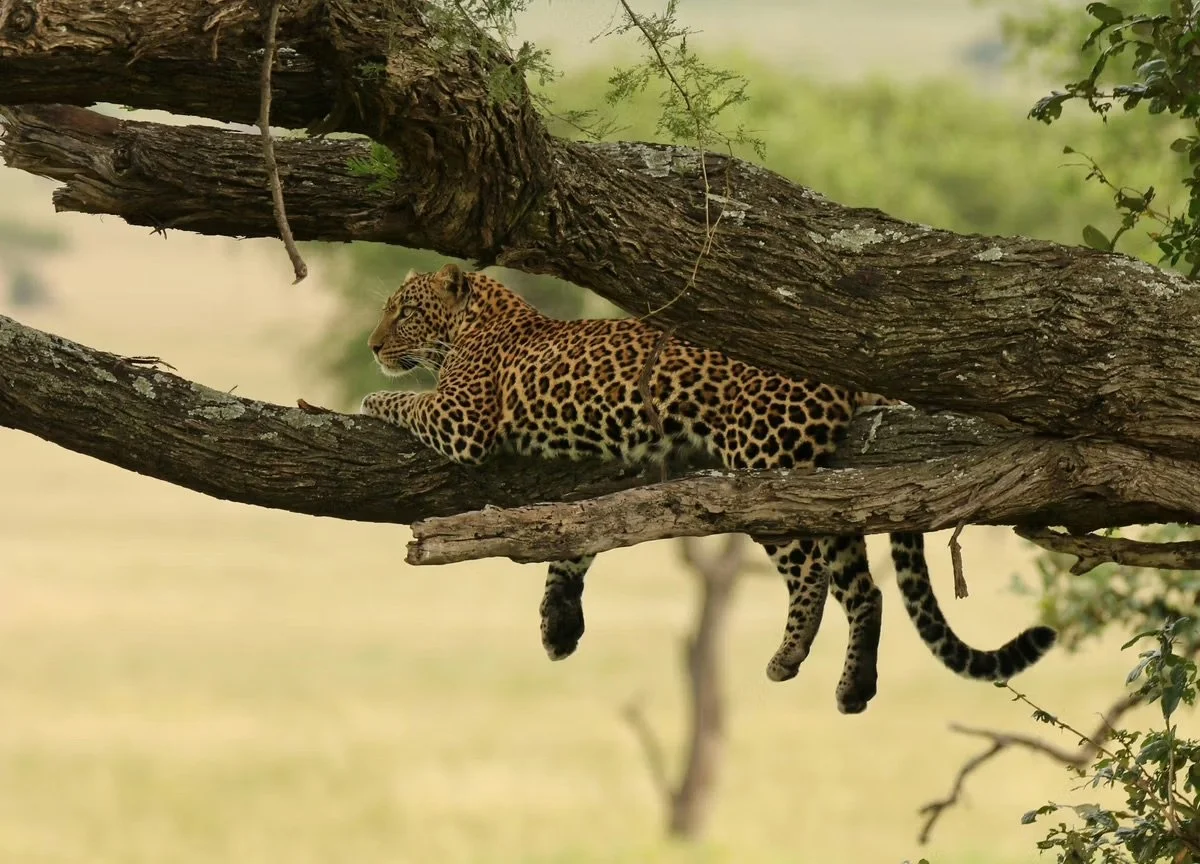
South Africa: Renowned for world-class infrastructure, exceptional culinary pairings, and malaria-free reserves. Private reserves bordering Kruger National Park (like the Sabi Sands) offer the world's most reliable leopard sightings and effortless Big Five encounters.
Botswana: The gold standard for ultra-exclusive, low-impact, high-cost wilderness. Dominated by the aquatic wonderland of the Okavango Delta and the elephant-dense corridors of Chobe, it delivers a profound sense of isolation and water-based safaris (boating and mokoros).
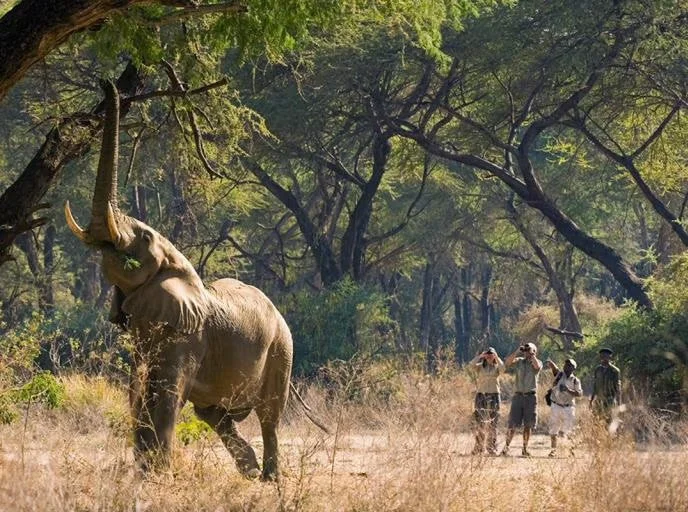
Zambia: The authentic heart of the walking safari. Parks like South Luangwa offer an intimate, unscripted connection with the bush on foot, alongside rugged river channels and exceptional guiding standards.
Tanzania: A land of epic scale. Home to the colossal Serengeti ecosystem, the breathtaking Ngorongoro Crater, and massive predator densities, it delivers sweeping, cinematic landscapes reminiscent of classic exploration.
Rwanda: Distinctly specialized, Rwanda offers a misty mountain-rainforest sanctuary where travelers track critically endangered mountain gorillas in Volcanoes National Park—easily paired with an East African savannah escape.
Kenya: The birthplace of the traditional safari. Famous for the wide-open golden savannahs of the Maasai Mara, dramatic river crossings during the Great Migration, and rich cultural interactions with the Maasai and Samburu communities.
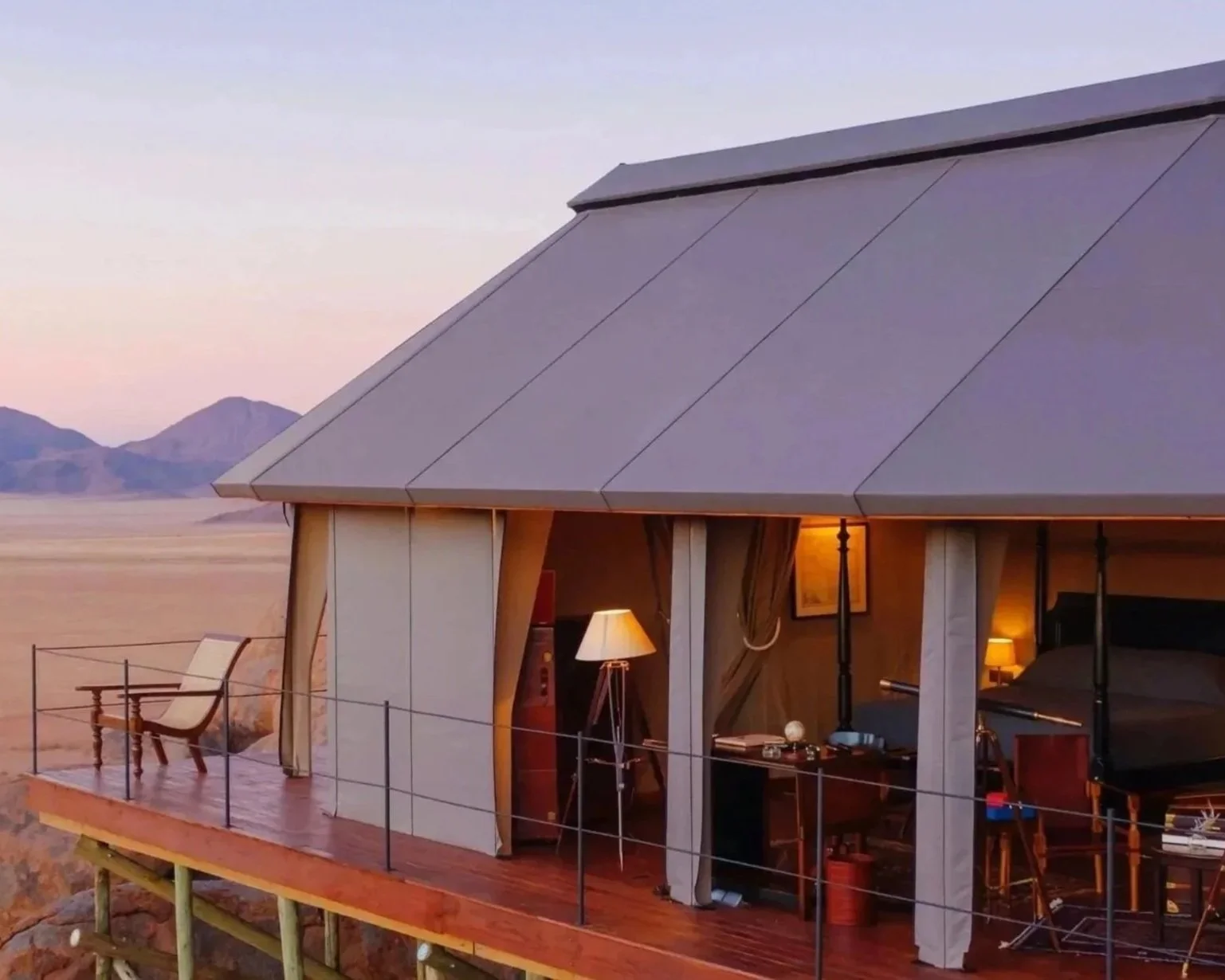
Namibia: Defined by surreal, otherworldly landscapes. Towering red sand dunes in Sossusvlei, skeletal coastlines, and desolate gravel plains play host to desert-adapted elephants and black rhinos. It is an aesthetic paradise for self-drivers and fly-in adventurers alike.
Zimbabwe: Characterized by raw, dramatic beauty and legendary guiding traditions. Hwange National Park thrives as a sanctuary for massive elephant herds, while Mana Pools offers extraordinary canoe safaris and up-close walking encounters alongside the mighty Zambezi River.
-
Wildlife movements are dictated by seasonal rains and ancient rhythms.
The Great Migration (Tanzania & Kenya):
To witness the dramatic Mara River crossings, plan your journey between July and October. For the calving season in the southern Serengeti (Tanzania), aim for January to March, when thousands of vulnerable newborns draw impressive concentrations of predators.
The Okavango Delta (Botswana):
Unlike many regions that peak in the dry months, the Delta floods between May and August, turning arid Kalahari sands into a labyrinth of deep lagoons best explored by traditional mokoro (dugout canoe).
Low Season Advantages (Green Season)
Traveling between November and April offers lush landscapes, dramatic skies, newborn animals, exceptional birdwatching, and significantly fewer travelers at exclusive camps.
-
Where you stay dictates how you experience the wilderness. For maximum privacy and flexibility, private conservancies offer a vastly superior alternative to public national parks.
Off-Road Tracking: National parks often strictly enforce staying on main roads. Private concessions allow expert guides to track rare predators off-road, bringing you closer to the action.
Exclusive Activities: Public parks usually prohibit night drives and walking safaris. In private reserves, nocturnal game drives with spotlighting and immersive bush walks led by armed trackers are standard.
Uninterrupted Solitude: Private conservancies limit the number of beds per thousand acres, ensuring you rarely encounter another vehicle at a wildlife sighting.
-
Life on safari follows an ancient, measured cadence aligned with the habits of the wildlife. Days are structured around the cool, active hours of the morning and late afternoon:
Dawn Awakening (5:30 AM): A discreet knock at your tent door brings a steaming cup of freshly brewed coffee or tea and homemade biscuits before you meet your guide and tracker as the sun begins to paint the horizon.
The Morning Game Drive (6:00 AM – 10:00 AM): Predators are most active during the crisp early hours. Mid-morning typically pauses for a classic "bush coffee" or tea break paired with rusks out in the wilderness.
Midday Respite (10:30 AM – 3:30 PM): Return to camp for a hearty brunch, followed by deep relaxation. This is the time to unwind by your private plunge pool, read in the shade, edit photography, or indulge in a spa treatment while the midday heat settles over the reserve.
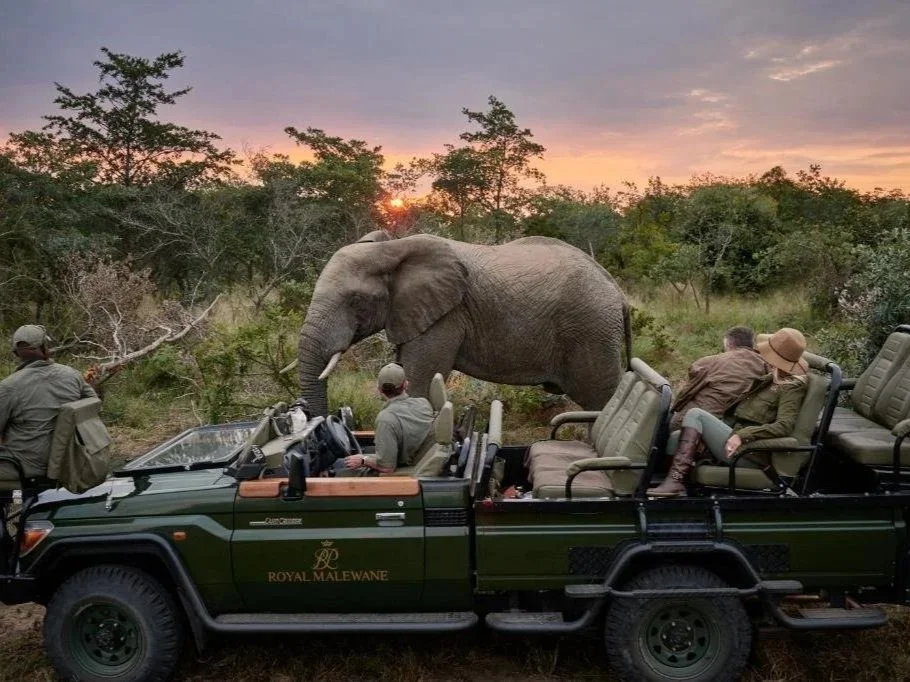
High Tea & Afternoon Drive (3:30 PM – 7:00 PM): After a light spread of pastries and iced teas, head back out into the bush as shadows lengthen. Game drives routinely pause for a magical sundowner drink—gin and tonics enjoyed as the African sun sets in a blaze of amber and violet.
Night Drive & Starlit Dinner (7:00 PM Onward): Use spotlights to search for nocturnal creatures (leopards, genets, and bushbabies) before returning to camp for a gourmet candlelit dinner under the stars, often accompanied by stories shared around the boma campfire.
-
An African safari is the ultimate classroom and a transformative bonding experience for families, provided the itinerary is tailored to different age groups and attention spans:
Malaria-Free Options: For families traveling with younger children or toddlers, malaria-free private reserves in South Africa’s Eastern Cape or Waterberg region eliminate the need for prophylactic medications while offering incredible game viewing.
Child-Centric Bush Programs: Many luxury lodges feature specialized children's clubs and junior ranger programs. Young explorers can learn animal tracking, bow-making, and plaster-casting animal footprints with expert naturalists.
Private Vehicles & Pacing: Booking a private safari vehicle is essential for families, allowing you to tailor drive lengths, return to camp quickly if little ones get tired, and focus on the sightings that excite children most.
-
Being a top-notch safari guide is a life-long vocation of honed skill. These are the people who bring the experience alive with their lived knowledge and understanding of the ecosystem, its wildlife and the landscapes. The best lodges and ground handlers run ranger schools and training programmes across the continent that are second to none. Some of the top lodges host visiting experts and conservationists for even more magic.
-
Safari style is the intersection of high utility and effortless elegance. The golden rule is to keep it light, neutral, and breathable.
Color Palette: Stick to earthy tones like khaki, olive, beige, and taupe. Avoid dark navy or black (which attract tsetse flies) and bright whites (which stand out too starkly against the bush).
Layering is Key: Early morning game drives in open vehicles can be surprisingly freezing, even in equatorial regions. Master the art of layering with fleece jackets, light windbreakers, and scarves before shedding layers as the midday sun climbs.
Footwear: Sturdy, broken-in ankle boots for walking safaris, and comfortable slip-ons or sandals for relaxing around the lodge or tented suite.
Evening Elegance: While safari days are casual and dusty, luxury lodges often feature sophisticated dining atmospheres under the stars. Bring a smart-casual outfit (linen shirts, lightweight trousers, or casual sundresses) for dinner.
-
Gratuity is an deeply embedded part of the safari culture, acting as a direct acknowledgment of the extraordinary, personalized service delivered by teams working in remote environments. Navigating tips gracefully involves a few key principles:
The Safari Guide / Ranger: Typically tipped $10 to $20 USD per guest per day (or higher for private vehicles and exceptional service). Handed directly to your guide in an envelope on your final morning.
The Tracker / Spotter: If your camp utilizes a dedicated tracker who sits on the tracker seat up front, standard practice is $5 to $10 USD per guest per day.
General Lodge Staff (Behind the Scenes): This covers chefs, housekeepers, waiters, and camp managers. Instead of individual tips, use the camp’s communal tip box (usually located near reception) at the end of your stay. A contribution of $5 to $15 USD per guest per day is standard.
Currency & Logistics: Always carry sufficient physical cash (US Dollars in crisp bills issued from 2009 onward, or local currencies like South African Rand). Remote bush camps lack credit card processing or ATM access for gratuities.
-
Because high-end safari camps are intimate and limit guest numbers, forward planning is essential to secure the finest properties:
12 to 18 Months Out: Essential for peak-season bookings, especially if your heart is set on witnessing the Great Migration or securing premier luxury suites.
6 to 9 Months Out: The ideal window to lock down international flights, regional bush-plane transfers, and pre- or post-safari extensions (such as Cape Town, Victoria Falls, or Zanzibar).
Luggage Constraints: Remember that light aircraft transfers into remote bush airstrips strictly require soft-sided duffel bags rather than rigid suitcases due to strict weight limits.
-
Preparing your health well in advance ensures your expedition remains entirely seamless and stress-free. Consult a travel medicine specialist at least 6 to 8 weeks prior to departure to review key requirements:
Routine Vaccinations: Ensure your standard immunisations—such as tetanus, polio, hepatitis A and B, and MMR—are fully up to date.
Yellow Fever Certificates: Some destination countries or transit hubs require proof of a Yellow Fever vaccination via an official International Certificate of Vaccination or Prophylaxis (ICVP).
Malaria Prophylaxis: Depending on the regions you visit (such as parts of Tanzania, Kenya, Botswana, or Zambia), your doctor will likely prescribe anti-malarial medication. Pair this with EPA-approved insect repellent, long sleeves at dusk, and mosquito nets provided by your luxury suite.
Prescription Essentials & Medical Insurance: Pack an ample supply of any personal medications in your carry-on luggage, accompanied by a doctor’s physical prescription. Comprehensive medical evacuation insurance tailored for remote bush travel is non-negotiable.
-
To elevate your journey from a standard vacation to an absolute masterclass in luxury travel, keep these expert recommendations in mind:
Stay Long Enough per Lodge: Avoid the temptation to hop camps every single night. Dedicating 3 to 4 nights at a single lodge allows you to properly settle in, absorb the rhythm of the ecosystem, and build a rapport with your guide.
Leverage Complimentary Laundry: High-end safari camps almost universally offer rapid daily laundry service. Pack light, take advantage of this amenity, and bypass the need for heavy luggage.
Embrace Digital Detoxing: While luxury camps feature reliable connectivity, the true magic of the bush happens when you put the phone or camera down. Take moments simply to listen to the dawn chorus or watch the elephants gather at a waterhole without looking through a lens.
Trust Your Guide: Your ranger and tracker are elite naturalists. Listen closely to their insights—they read subtle track marks, bird alarms, and wind shifts that turn an ordinary drive into an extraordinary tracking narrative.
Let us handle the logistics, from private charter flights between remote bush airstrips to securing reservations at Africa's most exclusive tented sanctuaries.
Your journey into the wild awaits.